
Engineering Beyond the Surface
A hyperbaric chamber is more than its outer shell. Behind every SENOXY model are important decisions about structural materials, pressure management, system integration, and the practical requirements of installation and daily operation. Working closely with our manufacturing partners, we bring these considerations together to help customers select and configure chambers around their space, capacity, and operational needs — reducing the risk of costly mismatches later.
Built Around the Chamber
The structure of a hyperbaric chamber directly affects how it is installed, accessed, maintained, and used over time. From flexible portable enclosures to rigid steel chambers, different construction approaches serve different space constraints, interior layouts, and operating requirements. Understanding these differences early helps buyers make informed decisions and avoid unnecessary adjustments after delivery.
Materials & Construction
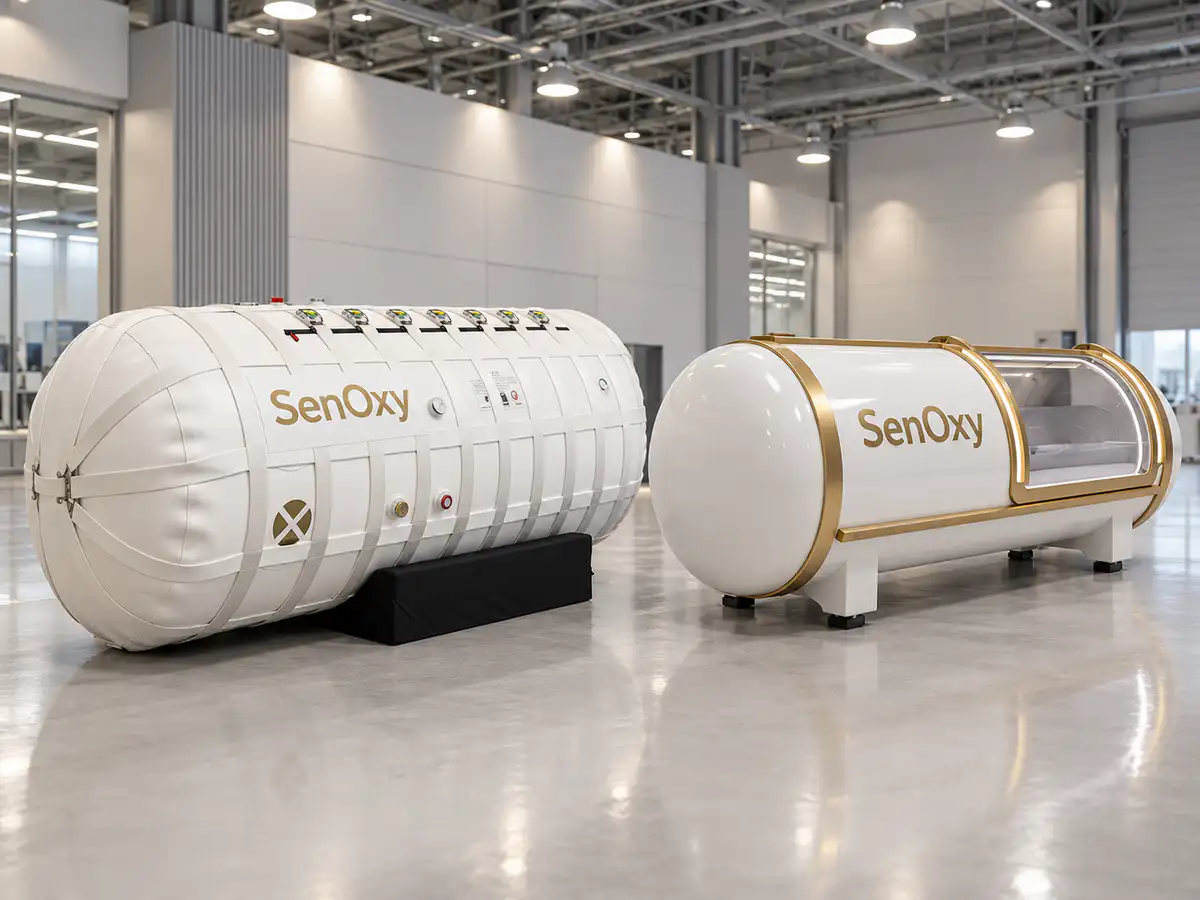
SENOXY's portable chambers use flexible TPU enclosures, offering a more adaptable approach to placement and transport. Selected hard-shell models feature carbon steel or stainless steel construction, providing rigid structures for fixed installations. Each material requires a distinct construction approach, influencing chamber configuration, installation planning, and maintenance considerations.
Entry & Access Design
Entry design affects both operators and users. Door dimensions, opening mechanisms, access clearance, and surrounding installation space must be considered together — particularly for larger hard-shell and multi-person chambers. Reviewing these details before purchase helps buyers plan appropriate access and practical daily operation.
Interior Configuration
From reclining portable models to seated and multi-person hard-shell chambers, interior layouts accommodate different capacities and usage patterns. Seating arrangements, internal dimensions, and available comfort features should be considered alongside the intended application and floor space, helping buyers choose a configuration that supports their daily workflow.
Systems Working Together
The performance and day-to-day usability of a hyperbaric chamber depend on how its individual systems work together. Pressure regulation, operating controls, air supply, and interior features need to be considered as parts of a complete equipment configuration. SENOXY coordinates with manufacturing partners on confirmed system specifications, helping customers understand how different configurations relate to their operational requirements.
Pressure Management
Pressure regulation and monitoring components support controlled pressurization and depressurization within the chamber's specified operating parameters. Pressure ranges and control arrangements differ by model, making them important considerations when comparing equipment for different applications.
Control Interface
Operating panels, displays, and monitoring functions provide access to key chamber settings and operating information. Interface layouts and available controls vary across portable, single-person, and multi-person models. Understanding these differences helps buyers select equipment that fits their intended operating workflow.
Interior Systems
Lighting, communication, seating, and other interior features influence the practical experience of using a chamber. Available options vary by model and may affect user comfort, operator accessibility, routine cleaning, and day-to-day operation.
Inside the Manufacturing Process
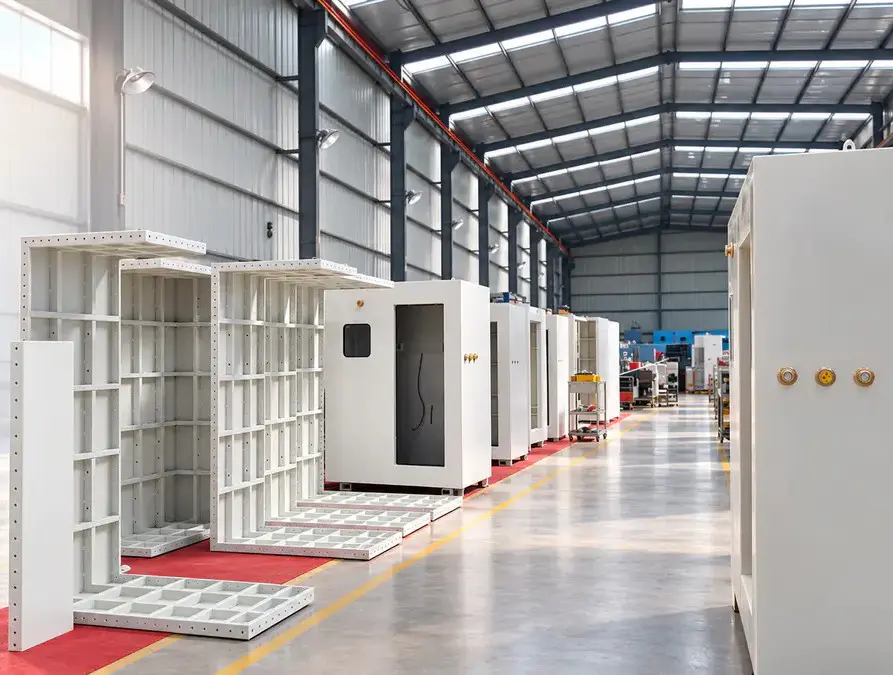
Turning a confirmed chamber configuration into finished equipment involves structural fabrication, component installation, and final assembly. Production methods differ between flexible enclosures and rigid metal chambers, each requiring appropriate materials, construction techniques, and assembly procedures. Through our manufacturing partnerships, SENOXY stays involved in communicating confirmed requirements and reviewing configuration details as production progresses.
Fabrication & Assembly
Flexible and rigid chambers require different materials, fabrication methods, and structural connections. For hard-shell models, the chamber body, entry assembly, and supporting structures form the foundation of the finished equipment. Their construction influences the overall structure, installation requirements, and future servicing considerations.
Component Integration
Pressure-related components, control equipment, air systems, and interior features are installed within the overall chamber design. Component placement matters not only for operation but also for accessibility during inspection, maintenance, and servicing — particularly in commercial environments where equipment availability is important.
Assembly & Configuration Review
As production progresses, model specifications, installed components, and selected options are reviewed against the confirmed configuration. SENOXY coordinates with manufacturing partners to clarify requirements and address configuration-related questions, helping identify potential discrepancies before the chamber is prepared for shipment.
Where Design
Becomes Equipment
For a commercial buyer, selecting a chamber model is only the beginning. Installation space, chamber capacity, available configurations, and order-specific requirements all need to be considered before production moves forward. SENOXY connects customer needs with manufacturing resources, helping clarify specifications, coordinate confirmed requirements, and follow the order through production — keeping the finished equipment aligned with what was agreed upon before manufacturing.
Configuration Review
We review the selected chamber model, intended installation environment, technical specifications, and requested configuration options. This helps identify practical questions about space, access, and functionality before the order is finalized.
Manufacturing Coordination
Once the configuration is confirmed, we communicate relevant technical requirements and order details to our manufacturing partners. Ongoing coordination helps keep customer expectations, confirmed specifications, and production arrangements aligned throughout the process.
Completion & Handover
As production approaches completion, we coordinate with manufacturing partners on applicable final checks, technical documentation, and shipment preparation. We also help customers understand the next steps for delivery, site readiness, and installation planning.
Find the Right
Chamber Configuration
Planning a wellness center, recovery facility, hotel spa, or other commercial installation? Share your space requirements, preferred chamber capacity, and operational goals. The SENOXY team can help you compare available models, clarify technical specifications, and review practical configuration options — so you can move forward with a clearer understanding of what will fit and function in your project.